
September 17, 2026
AI's own builders ask the industry to slow down, even as the products keep shipping

The dawn
The industry argued about its own speed while the products kept shipping
This week the loudest voices in AI spent their days asking each other to slow down, and then shipped anyway. Apple put a rebuilt Siri into millions of pockets, Meta put a price tag on its AI tools, Amazon taught Alexa to speak Hindi the way Indians actually speak it, and in Riyadh a Saudi company was valued at 6.5 billion dollars. Underneath all of it sits one question worth carrying into next week: who decides the pace, and whose language gets included when they do.
The signal
Anthropic's chief executive asks the AI industry to slow itself down on purpose
On 12 September, Anthropic chief executive Dario Amodei published an essay called "We Must Pace the Frontier," arguing that AI companies should deliberately leave enough time for safety work to catch up with what their models can already do. His first concrete proposal is embedded outside evaluators, meaning independent reviewers with badges, desks and real internal access, and Anthropic committed to that step on its own; Sam Altman said OpenAI would match it, and Elon Musk posted that Dario is right. Not everyone is applauding, and critics argue that a small club of large labs writing its own rules is less like safety and more like the big players pulling the ladder up behind them. It matters to the rest of us because the outcome of this argument decides what tools get built, how fast they reach you, and who gets to check them.
Apple ships iOS 27 and begins the rollout of a rebuilt Siri
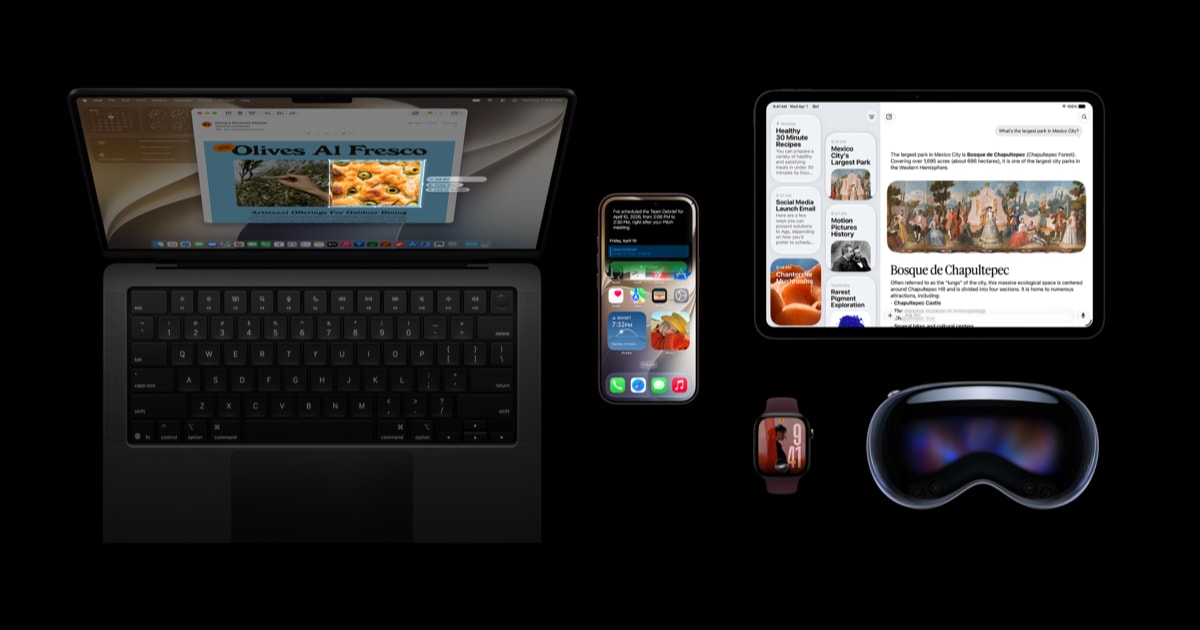
Apple released iOS 27, iPadOS 27, macOS 27, watchOS 27, visionOS 27 and tvOS 27 on 14 September, and with them the long delayed new Siri. Apple is careful to call it a beta rather than a finished launch: it speaks English at release, with French, Japanese, Korean, Portuguese and Spanish arriving in October. Arabic is not on that list, which is the quiet part of this story for readers here. If you are building anything people talk to, plan for a world where phone voice assistants get sharply better in some languages long before they do in yours.
Meta puts its AI tools behind a paid subscription called Meta One

On 15 September Meta launched Meta One, a paid layer across Facebook, Instagram and WhatsApp. Individual bundles start at 7.99 dollars a month and run to 19.99 for the premium tier, while plans aimed at creators and businesses start at 14.99 and climb to 499 dollars a month at the top. What you are buying is mostly room to use Meta's AI: more image and video generation, more of the restyling and voice tools inside Stories. For anyone who markets on these platforms, the signal is simple and a little uncomfortable: the best creative tools on the biggest free apps are no longer free.
Amazon brings Alexa+ to India and teaches it Hindi and Hinglish

On 16 September Amazon launched its rebuilt assistant, Alexa+, in India with support for English, Hindi and the blend of the two that people actually use, so you can switch language in the middle of a sentence and still be understood. It is free during early access, then free for Prime members and 2,000 rupees a month, roughly 21 dollars, for everyone else. The interesting part is not the price, it is the bet underneath it: a voice assistant only earns daily use when it speaks the way a country really talks, dialects and code switching included. That is precisely the bet anyone building for Arabic has to make, and it is a reminder that the hard work is linguistic, not only technical.
In Arabic
Tabby raises 233 million dollars at a 6.5 billion dollar valuation as it moves beyond buy now, pay later
Saudi fintech Tabby announced a 233 million dollar round at a 6.5 billion dollar valuation, led by Hong Kong's Blue Pool Capital with HSG, Wellington Management and Arbor Ventures taking part. The company began as a buy now, pay later service and is now building a wider money platform across Saudi Arabia and the UAE, with new consumer and small business lending licences in the kingdom and a stored value licence in the Emirates. It says it has been profitable since 2023, with 25 million registered users, more than 70,000 merchants and over 18 billion dollars in annual transaction volume. For founders in the region, the useful part is not the headline number but what it rewards: real revenue and a boring path to profit, funded at home.
Saudi Arabia's cabinet approves an SME strategy aiming for 35 percent of GDP by 2030

Meeting in Jeddah on Tuesday 15 September under Crown Prince and Prime Minister Mohammed bin Salman, the Saudi cabinet approved a National Entrepreneurship and Small and Medium Enterprises Strategy built around 13 initiatives. The targets are specific: lift the SME share of gross domestic product from 22.9 percent in 2025 to 35 percent by 2030, create more than 500,000 direct and indirect jobs, and put the kingdom first globally on the index measuring entrepreneurial skills and knowledge. The initiatives cover access to financing and markets, operational capability, regulation and innovation. If you run a small business anywhere in the Gulf, the useful signal is where the money and the licences are going to point over the next four years.
The seed
The Wright brothers built their own wind tunnel when the numbers stopped matching reality
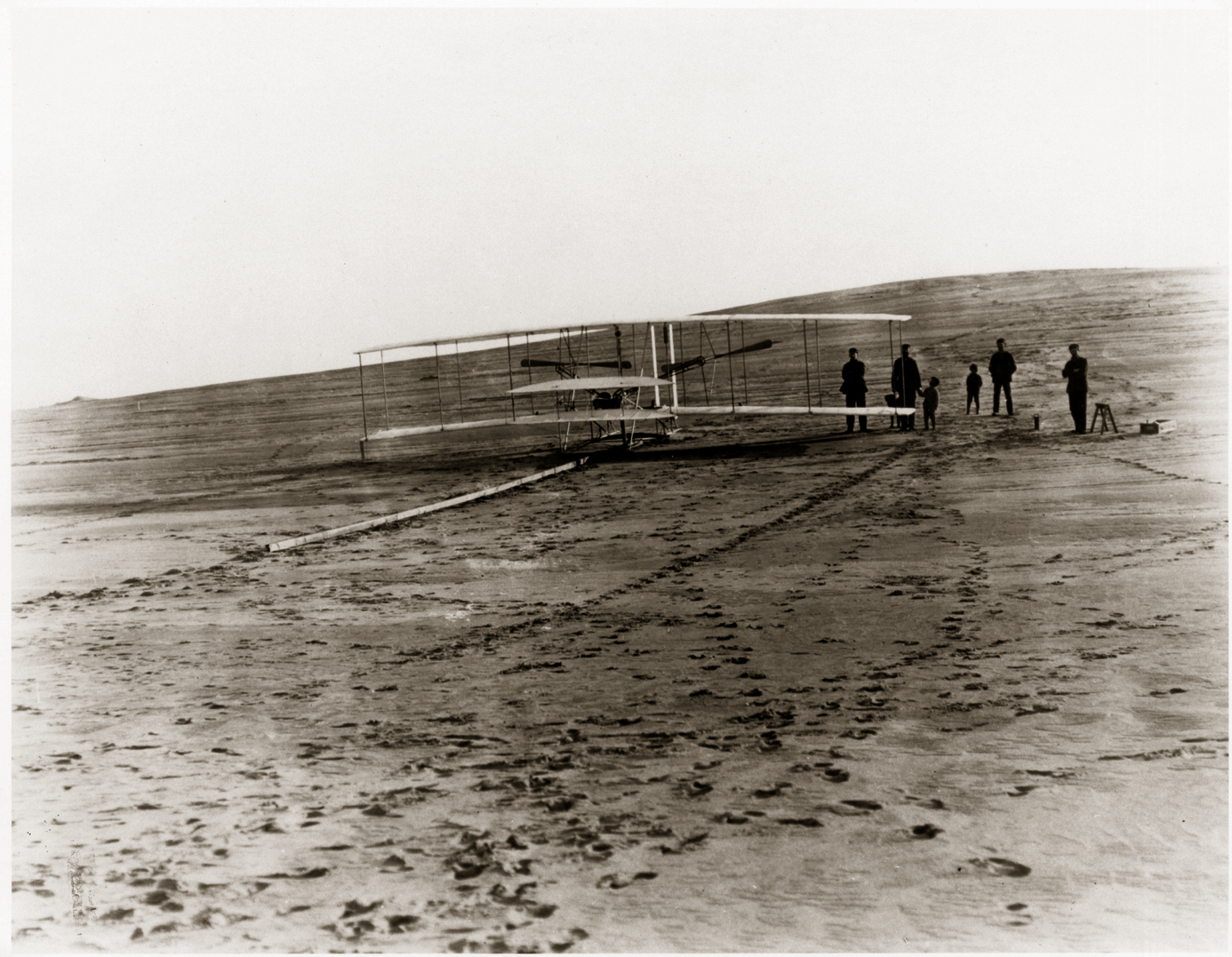
In 1901 Wilbur and Orville Wright flew a glider at Kitty Hawk that produced only about a third of the lift their calculations had promised, and by Orville's later account Wilbur was so discouraged on the train home that he said man would not fly for a thousand years. Rather than argue over whose published tables were correct, they spent that autumn in their Dayton bicycle shop building a wind tunnel and running as many as 200 model wing shapes through it, recording careful data on nearly fifty. The numbers they measured themselves became the basis of the 1902 glider, and of everything that followed. This is what it looks like to stop trusting an inherited number and go measure it yourself, cheaply and at small scale, before you build anything else on top of it. Try it this week: take one figure you have been repeating as fact, a conversion rate, a delivery time, a price everyone calls standard, and run one small test to find out whether it is actually true.
Built in Syria
We are looking for the projects being built in Syria right now
Nahda keeps a standing space for work being built in Syria, or by Syrians anywhere: a product, a studio, a small company, a tool that solves a real problem for real users. If that is you, or someone you know, write to us. Tell us what you are building, who it is for, and what you have learned that you wish someone had told you before you started. We read everything that reaches us, and we would rather introduce ten honest small projects than run one polished announcement.
The board
Our board is open to your roles and your invitations to come home
This space is for hiring and for coming home: open roles at companies working with or hiring Syrians, remote jobs that pay in hard currency, apprenticeships and mentoring places, and the quieter kind of listing, where someone with years abroad is looking for a way back into work here. Send us the role, the location, whether it is remote, and how to apply. Send us the other direction too, if you are returning and looking, and we will do our best to bring the two sides together.
The last word
This week asked who sets the pace, and in whose language
The fastest people in this industry spent the week asking to be slowed down, and the biggest products spent it deciding which languages deserved them first. Both are choices, made by people, and choices can be argued with.