
June 29, 2026
Oracle ties 21,000 job cuts to AI as markets start to question the boom

The dawn
AI stopped being an abstraction this week
For a while AI lived in demos and predictions. This week it landed in concrete places: a giant company put it in writing that it cut tens of thousands of jobs partly because of AI, global markets had their first real wobble over whether the spending will ever pay off, and a new tool made finished video from a single sentence. Closer to home, a Saudi company went shopping for AI abroad. Here is the week, in plain language.
The signal
Oracle ties 21,000 job cuts to its push into AI
In its annual filing with U.S. regulators, Oracle said it had cut about 21,000 roles over the past year, roughly 13 percent of its staff, and named the adoption of AI across its operations as one reason. What makes this notable is the venue: companies usually soften the AI-and-jobs story in press releases, but Oracle put it in an official legal document, alongside $1.8 billion in severance costs. If you work in software, support, or back-office roles, it is worth asking honestly which parts of your week AI could absorb, and which parts still need a human.
Global markets sell off as investors question the AI spending boom

On June 23, stock markets around the world dropped sharply, with the biggest falls in companies tied to AI and computer chips. The U.S. Nasdaq fell about 1.4 percent and roughly $680 billion in value vanished, as chipmakers like Micron, Nvidia, and AMD slid and Asian memory giants were hit hard. The trigger was a simple, nervous question: after years of enormous spending on AI, will it actually pay off? Even if you do not own stocks, this matters, because much of the money funding new AI tools depends on investors staying confident, and this week that confidence shook.
ByteDance unveils an AI model that makes 30-second 4K videos from a prompt
ByteDance, the company behind TikTok, showed off Seedance 2.5, a tool that turns a single written prompt into a 30-second video at sharp 4K quality, with matching sound, all in one piece rather than short clips stitched together. Until now most AI video maxed out at a few seconds, so this is a real jump in how long and polished a machine-made clip can be. For a small business or creator, this brings ads, explainers, and social videos within reach without a film crew. It also sharpens an uncomfortable question we will all face: how do you know a video you are watching is real? The model is in business testing now, with a wider release expected around July.
In Arabic
Saudi Arabia's Foodics buys a Greek AI company to make restaurants smarter

Foodics, the leading restaurant and payments technology company in the Arab region, completed a full takeover of Norma AI, a Greece-based firm, in a seven-figure deal drawn from a $100 million fund it set aside for AI. Norma's tool lets a restaurant owner ask questions in plain language, such as which dishes lose money, and get instant answers and dashboards, and it is already used across more than 10,000 Foodics branches. The interesting part is the direction of travel: a regional company is now buying technology abroad and building its own AI division, a sign the Arab tech scene is maturing from a buyer of foreign tools into a builder and acquirer. For founders and operators in the region, it is a reminder that local champions are now investing seriously in AI.
The seed
A glue that failed at its job became the Post-it note
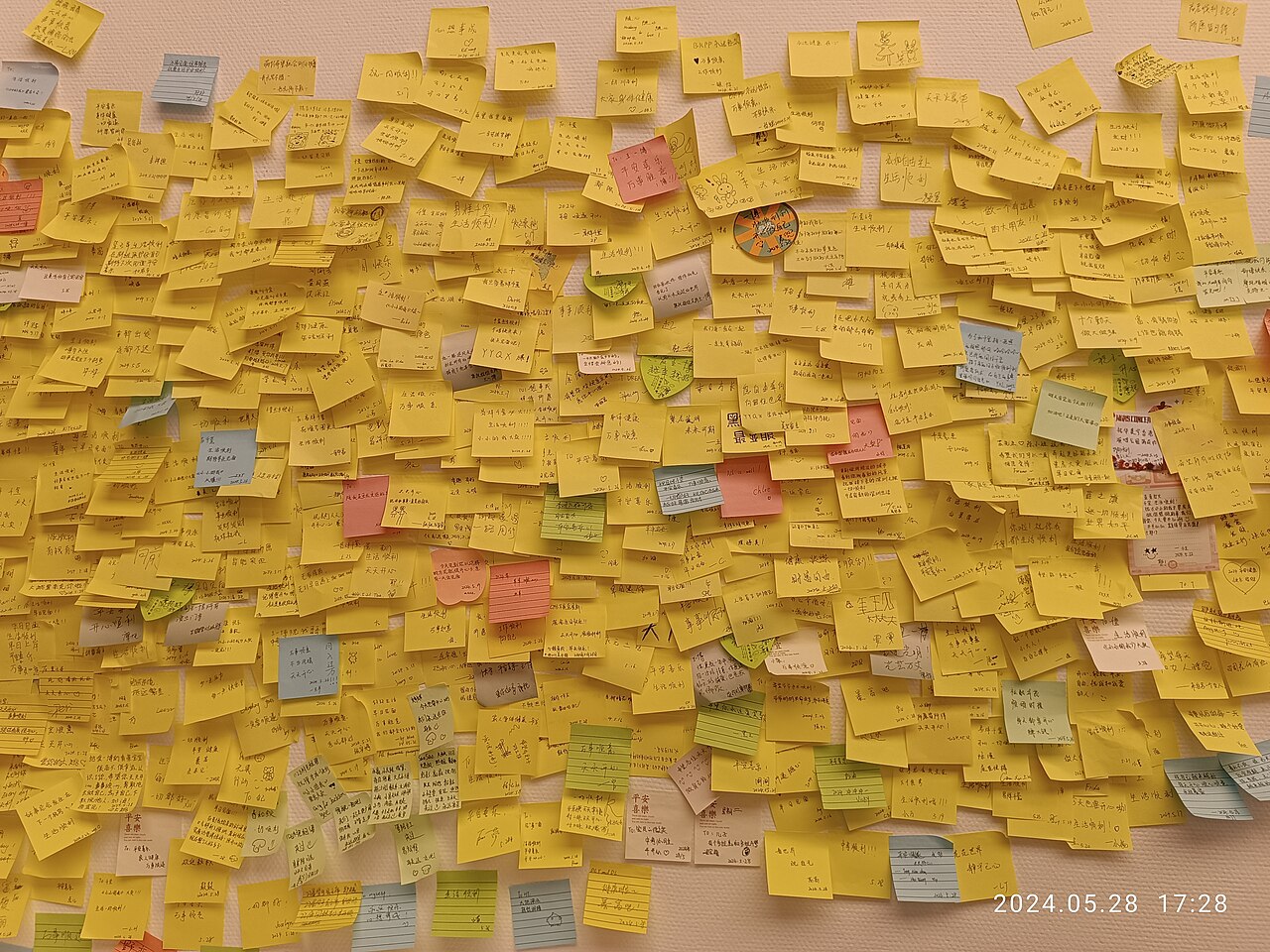
In 1968, a 3M chemist named Spencer Silver set out to invent a super-strong adhesive and made the opposite: a weak glue that stuck lightly and peeled off without a trace. By its own goal it was a failure, and it sat unused for years. Then a colleague, Art Fry, tired of paper bookmarks slipping out of his hymn book, saw that the same weak glue was perfect for a bookmark that holds and lifts cleanly. Reframed against a different need, the failure became the Post-it note, launched in 1980 and now used everywhere. A result is only a failure relative to the goal you had in mind; against a different question, the very same fact can be the answer. Try it: take one thing you wrote off as a dead end this year and ask not why it failed, but what it is actually good for.
Built in Syria
We are looking for projects being built in Syria to tell their story here
Every week we celebrate what the region's builders are making, and we want Syria to have its share of these stories. If you are building a product, a company, or a project in AI, technology, or entrepreneurship inside Syria or across its diaspora, tell us about it. Reply to this newsletter with a line or two about what you are building, and we may introduce it to our readers in a coming issue.
The board
We invite companies to hire and talent to come home through this newsletter
We want this newsletter to be a bridge between opportunities and people. If you have an open role aimed at Syrian or Arab talent, or you are thinking of returning to the region and looking for an opportunity, write to us. Reply to this email with what you are looking for, and we will help connect those seeking talent with those who carry it.
The last word
The tools move fast; the habit of checking for yourself is what lasts
When the headlines swing between boom and bust in a single week, the steadiest skill is not predicting the future but testing what is in front of you. See you next week.